
Loading...
Serving Pensacola, FL and surrounding areas. (448) 236-1145
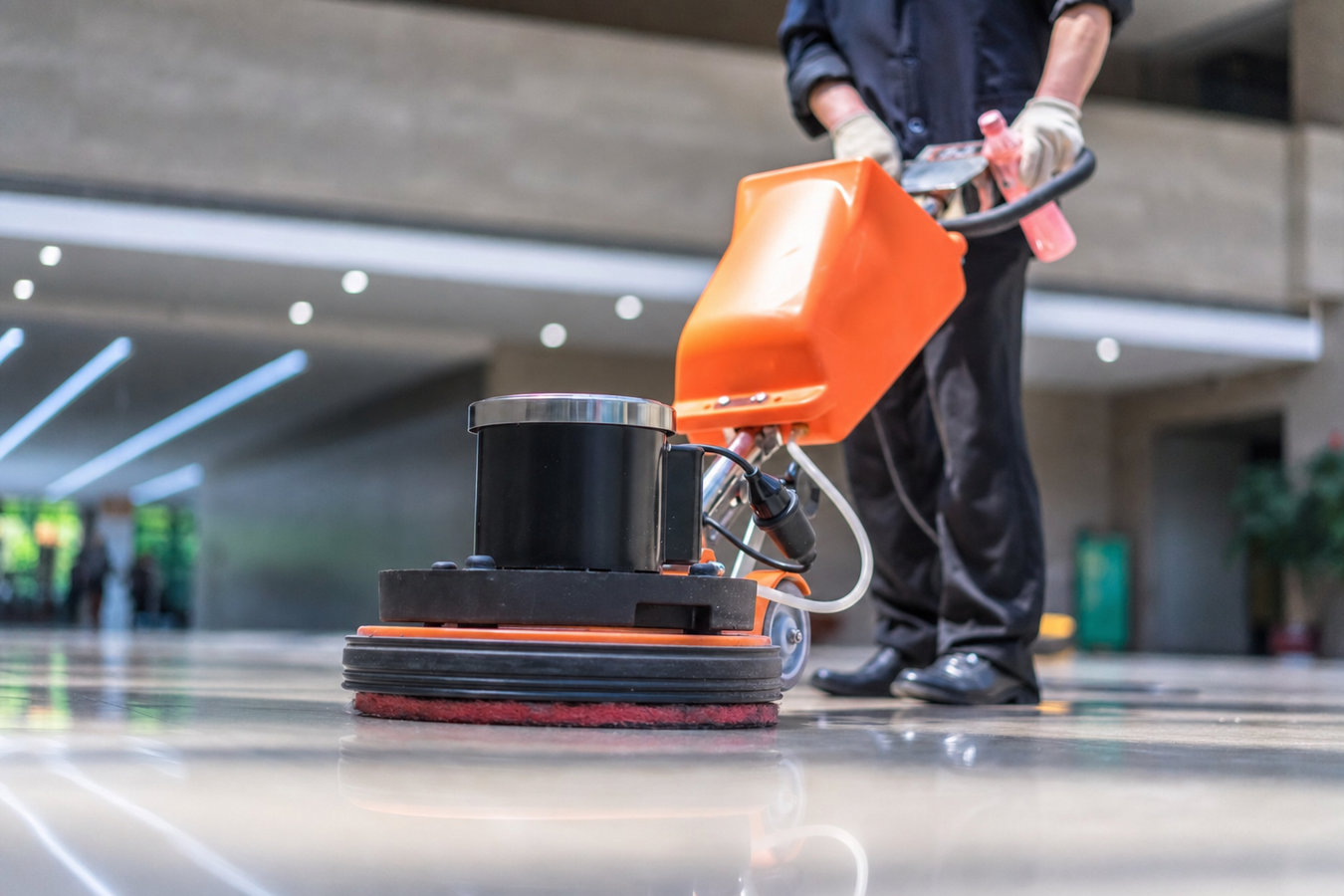
Old tile, vinyl, epoxy, and stubborn adhesive do not come off easily - especially in Pensacola homes where humidity has had decades to make them stick. We strip floors down to bare concrete so whatever comes next actually lasts.
Concrete floor stripping in Pensacola is the process of removing an existing floor covering - tile, vinyl, epoxy coating, or paint - down to the bare slab underneath, leaving a clean surface ready for new flooring or a coating, typically completed in one to three days depending on the size and number of layers involved.
If you want to install new flooring, apply a fresh epoxy floor coating, or repair a damaged slab, the old material has to go first. Anything left behind - adhesive residue, paint, or old tile - prevents the new surface from bonding properly. That is why so many flooring jobs fail within a year or two: the contractor skipped the prep step, or did not do it thoroughly enough. In Pensacola homes, this problem is compounded by humidity. Old adhesives in homes built before the 1980s often contain black mastic, which absorbs moisture over time and becomes gummy, difficult to remove, and potentially hazardous if the original adhesive contained asbestos.
Nearly all homes in Pensacola are built on slab-on-grade concrete - there are no basements, and the slab itself is the structural floor. That means any damage done to the slab during stripping is more consequential than in a home with a wood subfloor underneath. A careful contractor uses the right equipment at the right setting, and walks the floor with you when the work is done.
When flooring starts to separate from the slab in several places - not just one corner - the bond between the old adhesive and the concrete has broken down. In Pensacola's humid climate, moisture working its way up through the slab is a common cause. Once the bond fails in multiple spots, patching individual tiles rarely holds - the whole surface needs to come up.
A persistent musty odor near the floor, especially in rooms that stay closed or have limited airflow, can signal moisture trapped between the old flooring and the slab. This is particularly common in Pensacola homes where the slab sits close to the water table. Stripping the old surface and treating the slab properly before new flooring goes down is often the only real fix.
Old adhesive residue - especially the black mastic common in pre-1980s Pensacola homes - leaves dark staining that no amount of mopping will remove. If you can see patches of old adhesive where tile has already come loose, or if cleaning the floor consistently leaves dark spots behind, the surface needs to be stripped and prepared properly before you move forward.
After a hurricane or significant flooding - both of which Pensacola homeowners know well - flooring that got wet often cannot be saved. Even if the surface looks okay, the adhesive may have failed and mold can grow in the gap between the flooring and the slab. Stripping the floor completely is usually the safest and most thorough way to start fresh after water damage.
We strip residential and light commercial concrete floors across Pensacola and the surrounding area, removing tile, vinyl, epoxy coatings, paint, and adhesive residue using mechanical grinding and scraping equipment fitted with industrial vacuum attachments for dust control. Every job starts with an in-person walk of the space - looking at the type of flooring being removed, checking for multiple layers, and assessing whether the slab underneath may have issues that need attention once the old surface comes off. For homes built before 1980, we flag the asbestos question upfront and work with a licensed inspector if testing is needed before any grinding begins. We pair stripping work closely with concrete grinding and surface preparation to bring the slab to the profile and smoothness the next installation requires.
When stripping is complete, we walk the floor with you and point out any cracks, low spots, or areas that may need repair before new flooring goes down. If the slab needs patching or leveling, that can typically happen within a day or two of stripping. If the floor is going straight to a new epoxy coating, polished concrete, or another finish, we confirm the wait time before that next step begins - concrete sometimes needs time to dry out fully, especially in Pensacola's humidity. Nothing happens without a clear plan you have approved.
For floors with ceramic or porcelain tile set in a thick mortar bed - common in older Pensacola homes - we remove both the tile and the mortar layer down to the bare slab.
Sheet vinyl, vinyl tile, and the adhesive residue underneath come off cleanly with mechanical grinding - including the stubborn black mastic found in homes built before 1980.
For garage floors or commercial spaces where a previous epoxy or paint coating has failed or needs replacement - we grind the old surface off so the new coating bonds to bare concrete.
Some Pensacola homes have multiple generations of flooring installed on top of each other - vinyl over tile over original terrazzo, for example. We remove each layer systematically and assess what the slab needs at each stage.
A significant portion of Pensacola's residential neighborhoods - including areas like Ensley and Pensacola Station - contain homes built between the 1940s and 1970s. Many of these homes have original flooring layers installed with adhesives that may contain asbestos, and they often have multiple generations of flooring built up on top of the original slab over the decades. Pensacola's Gulf Coast humidity makes old adhesives gummy and harder to remove cleanly than they would be in a drier climate - jobs that look straightforward on the surface sometimes take longer because of what the humidity has done to the bond line over time.
The city's exposure to hurricanes adds another dimension. After a storm event like Hurricane Ivan in 2004 or Hurricane Sally in 2020, many Pensacola homeowners faced floors that had gotten wet and could not be saved. Even if the surface looked intact, water had worked its way under the flooring and damaged the adhesive bond, sometimes enabling mold growth in the gap between the flooring and the slab. Full stripping is the only real solution in those cases - not because it is the most expensive option, but because it is the only way to confirm the slab is clean and dry before new flooring goes down. OSHA maintains specific dust-control standards for concrete grinding operations that protect both workers and homeowners - verify that any contractor you hire follows them.
A good contractor will not quote you over the phone without seeing the space first. We ask what is on the floor, how large the area is, and what you are planning to do with it afterward - then we come out, look at it in person, and give you a written quote. You will know what is included before any work begins.
During the visit, we look at the type of flooring being removed, check for multiple layers, and assess the slab condition. If your home was built before 1980, we will ask about the flooring history and recommend testing before any grinding starts. This protects you, your family, and the crew - and it is standard practice for Pensacola's older neighborhoods.
The crew uses grinding or scraping equipment with industrial vacuums running alongside to capture dust at the source. Doorways and adjacent rooms are sealed with plastic sheeting before work begins. Depending on the size of the area and what is being removed, the stripping phase takes one to three days. You will hear the equipment - it is loud - but the mess stays contained.
Once stripping is complete, we walk the floor with you and point out anything the slab needs before new flooring goes down - cracks, low spots, areas to watch. The work area is cleaned and debris is hauled away. If slab repair or leveling is needed, that work typically happens within a day or two. You leave knowing exactly what the floor needs next and when.
Free written estimates. No obligation. We respond within 1 business day.
(448) 236-1145A contractor who quotes you over the phone without seeing the floor is guessing. We come out, look at the layers, check the slab condition, and give you a written number before any work begins. What you approved is what you pay - no mid-job surprises because we found something we should have seen during the estimate.
Concrete dust from grinding contains fine particles that can harm your lungs and settle on every surface in your home. We use industrial vacuums running alongside the equipment throughout the job and seal the work zone with plastic sheeting before we start. This is how the work should always be done - we do not offer it as an upgrade.
A large share of homes in Pensacola's neighborhoods were built between the 1940s and 1970s, with flooring materials and adhesives that require specific handling. We know what to look for in these homes, including the asbestos question, and we handle it before any grinding begins rather than discovering it mid-job.
A poorly stripped floor is the hidden reason many new tile and coating jobs fail within a year or two - especially in Pensacola's humidity, where residue or adhesive left behind accelerates the failure timeline. We do not hand the floor off until the slab is clean, consistent, and ready. The International Concrete Repair Institute sets technical standards for surface preparation that guide how we work.
Floor stripping is the unglamorous part of any renovation - nobody takes photos of bare concrete. But getting it right is the reason the finished floor looks good and stays that way. We take that seriously.
Once the old surface is stripped and the slab is clean, epoxy coatings are one of the most durable and low-maintenance finishes you can apply over bare concrete.
Learn MoreAfter stripping, grinding brings the slab to the exact surface profile needed for new tile, coatings, or polished concrete - the step that makes the next installation bond correctly.
Learn MoreWe come out, look at the floor in person, and tell you exactly what it needs. No obligation, no surprises on the invoice.