Loading...
Serving Pensacola, FL and surrounding areas. (448) 236-1145
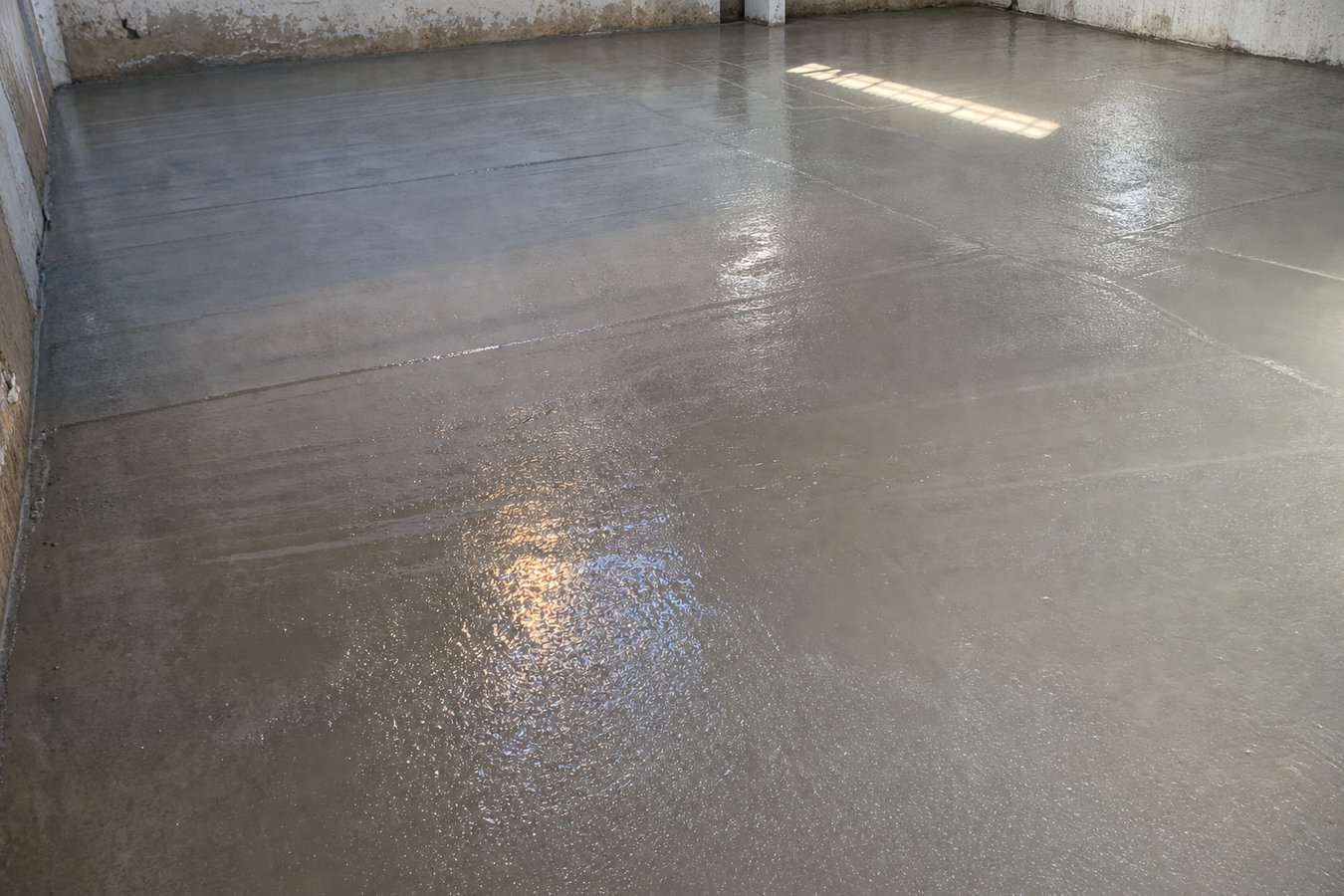
Salt air, summer rain, and UV are slowly breaking down your driveway and patio. The right sealer applied over a clean, prepped surface stops that process before it becomes a replacement conversation.
Concrete sealing in Pensacola puts a thin protective layer over your driveway, patio, or pool deck that keeps water, oil, salt, and stains from soaking in - most residential jobs take a single day, and the surface is ready for light foot traffic within 24 hours.
Think of it like a raincoat for your concrete. Without that layer, moisture works its way in, weakens the slab from underneath, and shortens the life of the surface significantly. In Pensacola, where average annual rainfall is high and salt air from the Gulf accelerates deterioration, an unprotected slab degrades noticeably faster than the same concrete would in a drier, inland climate. Homeowners planning new work often combine sealing with concrete resurfacing and overlays to restore a damaged surface and then lock it in with a long-lasting sealer in one project.
Good sealing starts with thorough prep - pressure washing, degreasing oil stains, filling cracks, and letting the surface dry completely. Pensacola's humidity means that drying step can take longer than it would elsewhere. A contractor who shows up and starts spraying within minutes of arriving has skipped the step that determines whether the sealer holds for years or peels within months.
Pour a small amount of water on your driveway or patio. If it soaks in within a few seconds and darkens the surface, the sealer is gone or was never there. Sealed concrete causes water to bead up on the surface the way it does on a freshly waxed car. Once water is absorbing freely, your concrete is unprotected against everything Pensacola's weather can throw at it - UV, salt air, and heavy summer rain.
That chalky discoloration - efflorescence - happens when moisture moves through the concrete and pulls mineral salts to the surface as it evaporates. It is common in Pensacola's humid climate and in areas where water pools after rain, especially near the bay or in low-lying neighborhoods. It signals moisture is actively moving through your slab, and sealing is one of the most effective ways to slow that process.
Small hairline cracks are normal in older concrete, but if you notice cracks that seem wider than last year, Pensacola's sandy soil movement is likely at work. Cracks left open allow water in, and in a coastal climate that means faster deterioration. Getting those cracks filled and the surface sealed stops the cycle before it becomes a full replacement conversation.
Unsealed concrete is porous, which means stains from car drips, fertilizer, and the mildew that thrives in Pensacola's warm, wet climate soak in and become very difficult to remove. If you are scrubbing the same spots repeatedly and they keep coming back, the concrete is absorbing those materials rather than letting them sit on the surface where they can be washed off. Sealing closes those pores and makes future cleanup dramatically easier.
We seal driveways, patios, pool decks, garage floors, and walkways across the Pensacola area. Every job starts with a surface assessment - we check for cracks, spalling, old sealer that has failed, and any areas where water is pooling or staining the surface. Sealing without addressing those issues first is a short-term fix. For surfaces that need more than cleaning and sealing, we also offer concrete resurfacing and overlays when the surface damage is deep enough that a sealer alone would not produce a clean, lasting result.
For homeowners who have already invested in a polished or decorative finish, we offer polished concrete flooring that includes a densifying and sealing step as part of the polish process - giving you a surface that is sealed from the inside and does not require a film coating on top to stay protected. For standard exterior concrete in Pensacola, two sealer families cover most situations: penetrating sealers that soak in and protect without changing the look, and film-forming sealers that add a sheen from a subtle matte to a wet-look gloss.
Suits homeowners who want long-lasting protection without changing the appearance of the concrete - the driveway still looks like a driveway, just protected from the inside.
Best for outdoor living areas where a sheen or wet-look finish enhances the appearance alongside protection - available in matte, satin, and high-gloss finishes.
Suited to garages that are not ready for a full epoxy coating but need protection from oil, tire marks, and moisture before a future coating project.
For Pensacola driveways and patios where soil movement has opened cracks that need filling before sealing - this combines crack repair and sealing in a single visit.
Pensacola's Gulf Coast location creates two sealing challenges you do not face inland. The first is salt air: homes within a few miles of Pensacola Bay, the Gulf, or the Intracoastal Waterway are exposed to airborne chlorides year-round. Salt works its way into unprotected concrete and corrodes it from within - a process that is noticeably faster here than it would be in a drier, inland climate. Sealing is not cosmetic in these neighborhoods - it is a real line of defense. Homeowners in Gulf Breeze and Warrington near the waterfront see concrete deterioration happen faster than homeowners further inland - the right sealer slows that significantly.
The second challenge is timing. Pensacola's hurricane season runs June through November, and the months of July through September bring extended stretches of high humidity and unpredictable weather. A sealer applied in direct summer sun on a hot surface can dry too fast, leaving streaks or bubbles. One applied when rain is coming in the next 24 hours can turn milky or peel at the edges. The most reliable window for sealing exterior concrete in Pensacola is late fall through early spring - October through March - and homeowners who plan that schedule consistently get better results and better availability from contractors who know the local calendar.
We ask a few basic questions - what surface you want sealed, roughly how large it is, and whether you have noticed any cracks or staining. We reply within one business day and schedule an in-person visit before giving you a price, because the condition of the surface matters as much as the square footage.
We walk the surface and look for cracks, rough patches, staining, and any areas where old sealer has failed. We tell you what prep work is needed and give you a written estimate that separates cleaning, repairs, and sealing. If you get a single number with no explanation of what is included, ask them to break it down.
On the day of the job, the crew starts with a pressure wash to remove dirt, mildew, and any failing sealer. Oil stains get treated with a degreaser. Cracks identified in the estimate get filled and allowed to cure. In Pensacola's humidity, we may need extra drying time before the sealer goes down - this is normal and means the sealer will hold.
Sealer goes on by sprayer or roller in two thin coats for a more even, longer-lasting result. The crew does a final walkthrough with you when done. Most sealers need 24 hours before foot traffic and 48 to 72 hours before vehicles - lean toward the longer end in Pensacola's summer humidity.
Free estimate, no obligation. We reply within one business day and plan around your schedule.
(448) 236-1145Homes near Pensacola Bay, the Gulf, and the Intracoastal face salt-air chloride exposure that inland contractors rarely deal with. We select penetrating sealers designed for this environment - sealers that fill the pores salt would otherwise travel through. Using the wrong sealer product in a coastal Pensacola neighborhood is not an obvious mistake until the concrete starts pitting a few years later.
The most common reason a sealer fails in Pensacola is that the surface was not clean or dry enough before it went down. We pressure wash, degrease, fill cracks, and wait for the concrete to fully dry before any sealer touches it. In our humidity, that drying step matters - and we do not rush it to finish the job faster.
Driveways and patios in established neighborhoods like East Hill and Cordova Park have been through decades of Gulf weather and may never have been sealed - or were sealed with products that have long since failed. We tell you honestly what the concrete needs and whether sealing alone is the right answer, or whether resurfacing first would give you a better result for the same money.
We recommend the November through March window for exterior sealing and flag weather risks before they affect your job. A contractor who does not mention hurricane season timing or check the forecast before application is one who has not done enough Pensacola sealing work to know what those conditions do to a fresh coat.
Sealing is one of the most cost-effective ways to protect a concrete investment. Done right, it pushes the replacement date out by years. Done wrong - or skipped entirely - you end up with a driveway that needs full replacement years earlier than it should. We take the prep seriously because that is what determines which outcome you get.
The American Concrete Institute (ACI) publishes standards for concrete sealing and curing that guide professional work. For Florida-specific licensing verification, the Florida DBPR license lookup lets you verify any contractor's current license status in about 30 seconds.
When your driveway or patio has surface damage beyond what sealing can fix, resurfacing restores it before a new sealer goes down.
Learn MoreInterior slabs that get ground and densified during polishing are sealed from within - no film coating required on top.
Learn MoreBook your fall or winter sealing appointment now - slots fill before the slow-humidity season and good prep takes time to do right.